

As Scotland’s capital, Edinburgh welcomes thousands of visitors each year. It’s no wonder—with its incredible architecture, breathtaking scenery, beautiful monuments, and historic streets, it’s a city many dream of visiting. Furthermore, the Scottish capital is renowned for its highly developed infrastructure. Local authorities and investors channel significant funds into modern projects, ensuring that facilities designed to serve the public are built and refurbished to the highest standards. Learn more at edinburgh-future.
Immense Strain on Edinburgh’s Infrastructure
The city caters not only to guests; local residents rely on its infrastructure daily, meaning the strain on these systems is immense. To put it in perspective, Edinburgh Airport alone serves around 15 million passengers a year on average. Despite this pressure, these facilities continue to operate, providing top-tier services. But their value isn’t just functional—many also have fascinating histories, and Edinburgh Bus Station is a case in point.
The Predecessor to the Modern Station
The story begins in 1957 with the opening of the St Andrew Square Bus Station by the Scottish Motor Traction company. At the time, it featured 16 stances across five platforms, connected by pedestrian subways. In the late 1960s, an office block was constructed above the station, and its support columns encroached upon the platforms, significantly reducing the available space.
Building a New Hub
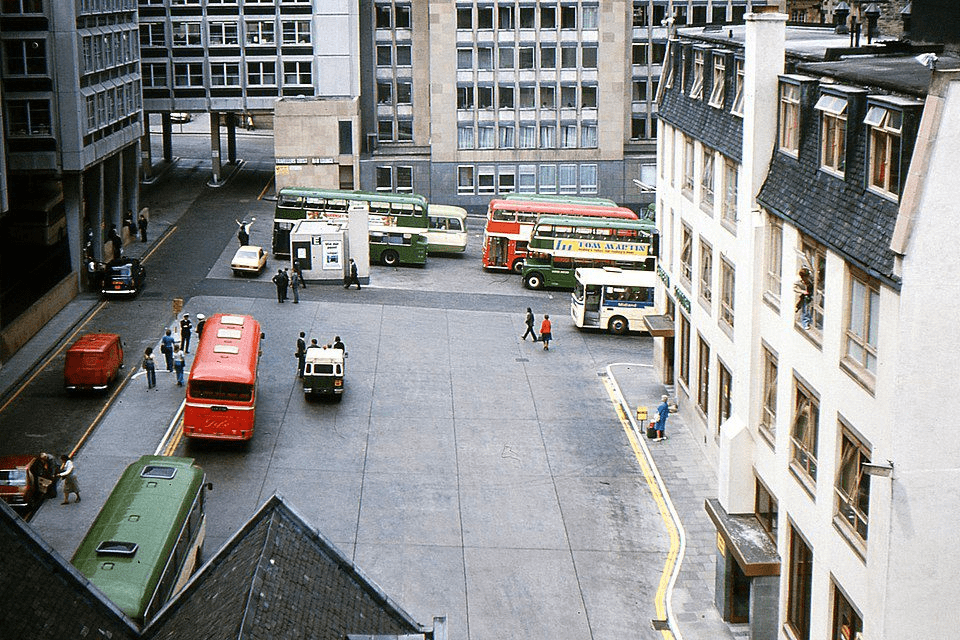
On 2 July 2000, the St Andrew Square Bus Station was closed. This was to make way for the construction of a modern bus terminal, part of a wider redevelopment that included a pedestrianised shopping area and a Harvey Nichols department store.
Complaints and Temporary Troubles
As is often the case, large-scale redevelopments can bring a host of problems. Some bus operators began to complain about what they considered excessively high departure fees, threatening to withdraw their services. The project also faced significant delays, prompting plans to create a temporary bus station elsewhere to avoid a prolonged interruption of services, which would have caused chaos for passengers and disrupted transport links to the city.
The Long-Awaited Opening
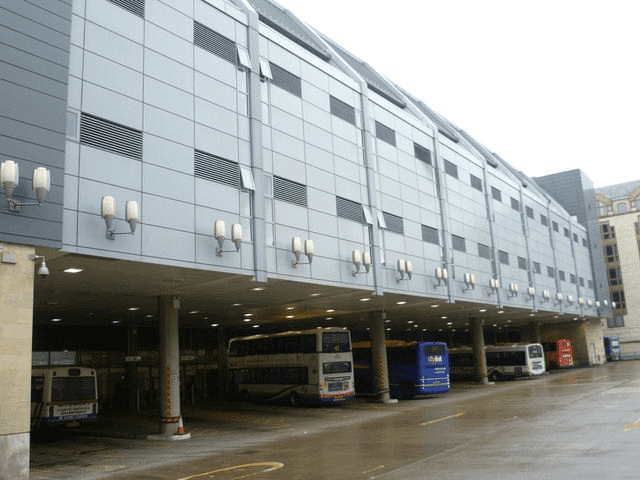
Fortunately, these issues were overcome, and the new bus station finally opened in February 2003. It was built and owned by the company Coal Pension Properties. However, the celebration was immediately marred by teething problems. Bus drivers quickly began to complain that the new access ramp was too steep and was scraping the bottom of their vehicles. The issue had to be resolved urgently, with modifications taking just a few days to complete.
Ceiling and Roof Issues Endanger Safety
From 2003, the station faced new troubles, this time concerning damaged ceiling tiles. There was a genuine risk of collapse, forcing their immediate replacement. But in 2007, problems with the roof re-emerged, and once again, safety was a critical concern. The issue was partly caused by the offices located above the station, which suffered a flood that year, leading to a ceiling collapse in the bus station below. This necessitated another round of extensive roof and ceiling repairs.
A Controversial Contract
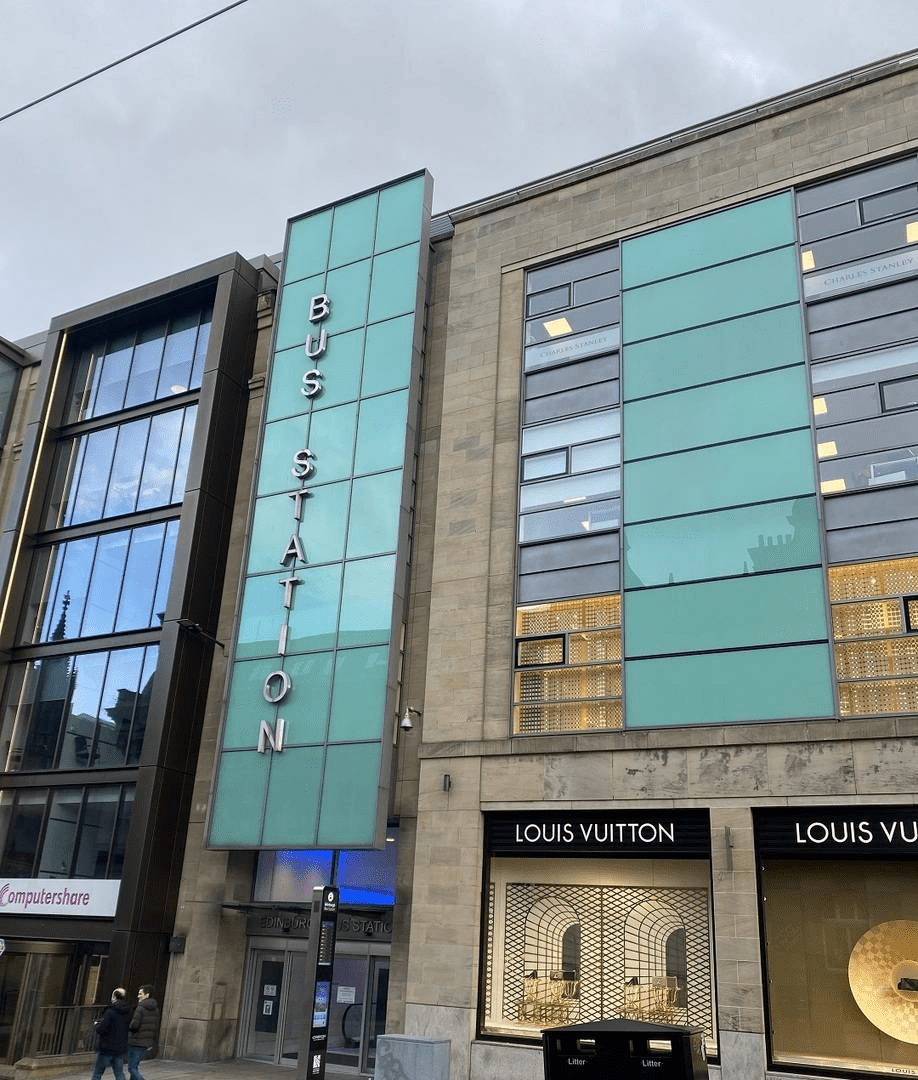
A facility that serves hundreds of passengers daily requires constant maintenance and periodic repairs. As the station’s tenant, the City of Edinburgh Council has a vested interest in ensuring services are provided safely and the building is well-maintained. For one such repair project, the council hired construction services company Balfour Beatty. However, by 2011, this partnership had soured, and the City of Edinburgh Council took Balfour Beatty to court. The council alleged that the repair work was substandard, that the results did not meet the required specifications, and that the allocated funds had been wasted.
An Uncertain Future?
Despite its importance to the city, Edinburgh Bus Station has had a chequered history, plagued by problems since its 2003 opening. Adding to this troubled legacy, news emerged in 2024 that has put the station’s entire future in question. The owner, Coal Pension Properties, reportedly does not intend to renew the council’s lease when it expires in 2027. Instead, there are plans to redevelop the site for residential housing.
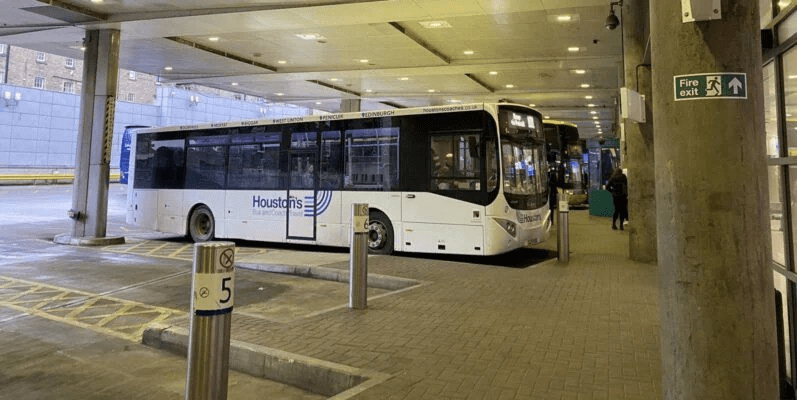
Whether this idea will come to fruition and what it means for Edinburgh’s central bus station, only time will tell. But one thing is certain: its value to the city is undeniable, as is its long and complicated history.