

Edinburgh boasts a highly developed infrastructure, and a dive into its past reveals this drive for excellence has always been present. Find out more at edinburgh-future.
As Scotland’s capital, Edinburgh has always been held to incredibly high standards. Historically, architecturally, sculpturally, and in terms of its stunning landscapes, music, and theatre, the city holds immense appeal for tourists. Consequently, its local infrastructure system must cater to a massive influx of visitors each year, not to mention its own sizeable population.
When it comes to getting around, Edinburgh’s transport system certainly fits the bill. It meets high standards of service and, what’s more, it has a truly unique story of its own.
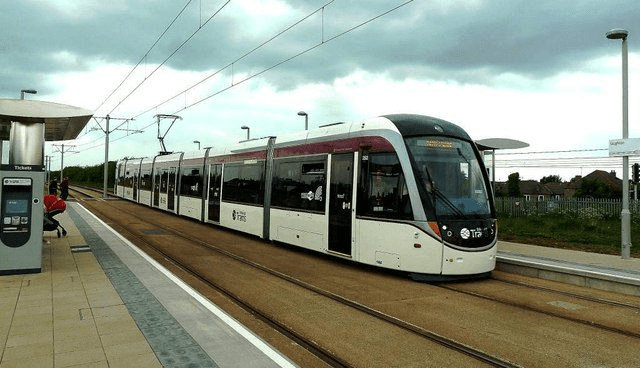
The city’s tram system, in particular, can easily be considered a landmark in its own right. With a history stretching back many years, this mode of transport has witnessed countless fascinating events in Edinburgh’s past.
Tram Development and Evolution
The story of Edinburgh’s trams is a long and winding one, spanning entire eras. This remarkable form of transport first appeared in the Scottish capital on 6th November 1871.
Initially, these were horse-drawn trams, but they were replaced by cable-hauled versions in January 1888. Just as people were getting used to this innovative and convenient way to travel, an even more modern and advanced option emerged: the electric tram. These electric trams served Edinburgh until 1956.
Gradual Electrification
It’s worth noting that electric trams initially operated on lines in Musselburgh and Leith, even crossing paths with their Edinburgh cable counterparts. However, by 1923, the cable trams also made the switch to electric power.
Over the years, various municipal and private companies operated different lines and systems across the city.
A New Management
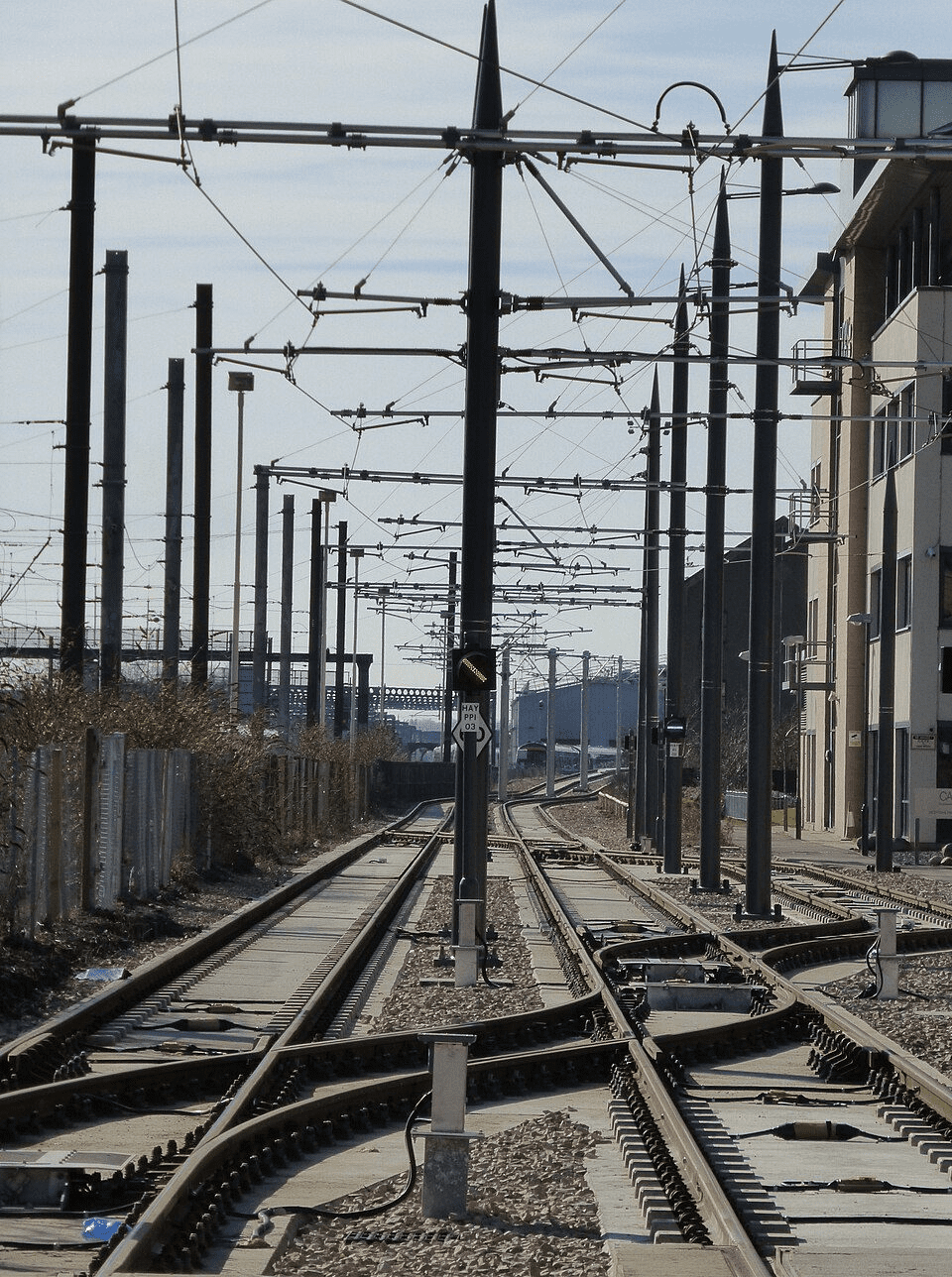
On 1st July 1919, Edinburgh’s tram lines officially came under the management of Edinburgh Corporation Tramways. In 1920, the entire Leith system also became part of this company’s remit.
Interestingly, despite Edinburgh Corporation Tramways taking over the management of the city’s tram tracks, it wasn’t until 1928 that all of Edinburgh’s trams fell under their exclusive control. This occurred when the Musselburgh line was partially closed.
Attempts to Revive the Tram
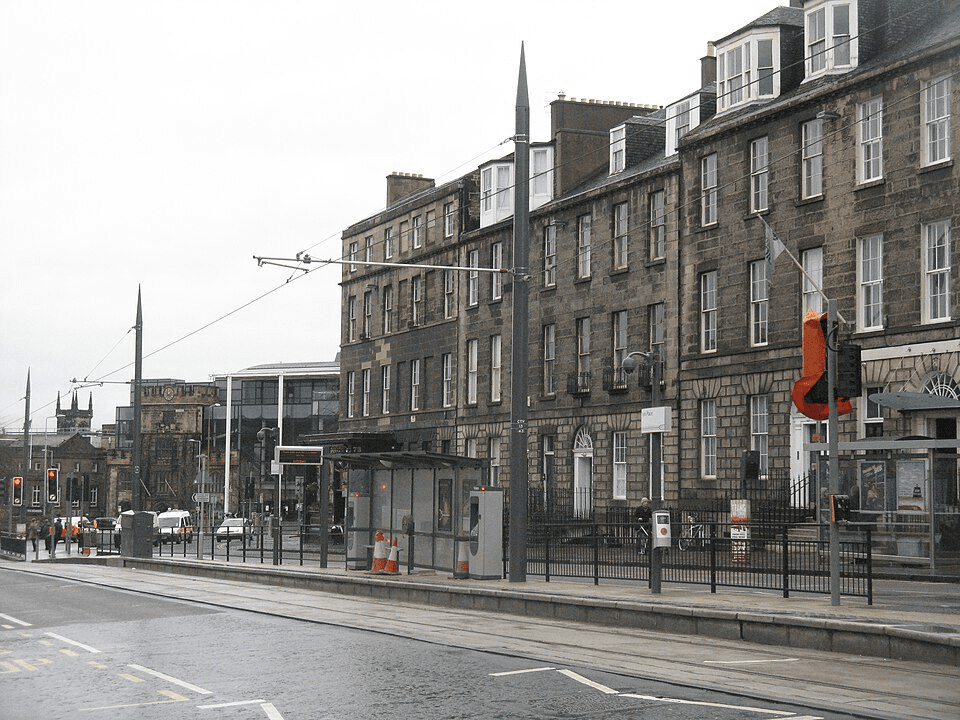
As mentioned, Edinburgh’s trams operated until 1956, followed by a long hiatus. The reason? The city’s public transport network had been pared down to buses and suburban rail lines.
However, by the late 20th century, the United Kingdom rediscovered its interest in trams. Slowly but surely, new lines began to reappear in cities like Manchester, Sheffield, Birmingham, and Nottingham.
Obstacles to the Tram Line Project
In the 1990s, serious discussions began about reintroducing trams in Edinburgh. By 1999, a plan was drawn up to build a tram line along Princes Street and Leith Walk.
2001 saw a new proposal emerge, outlining three lines, all intended to run through the city centre. But something went awry, and this idea never materialised. In March 2006, the Scottish Parliament passed two bills concerning the reintroduction of a tram network. This seemed like a fresh opportunity to bring the long-held plan to fruition.
However, this time, the project stalled over funding. Consequently, it was decided that the third line would be cancelled entirely, and the remaining two would be built in four stages.
Continued Disputes and Doubts
After lengthy debates, negotiations, and agreements, construction began in the summer of 2008. Yet, funding issues quickly re-emerged, inevitably leading to political wrangling. As a result, the initial plans were scaled back once more.
But this was far from the final hurdle in the endless disagreements surrounding the future tram system. Delays to the project’s completion date, as well as changes and reductions to the routes, soon followed.
Turning the Corner and Work on Schedule
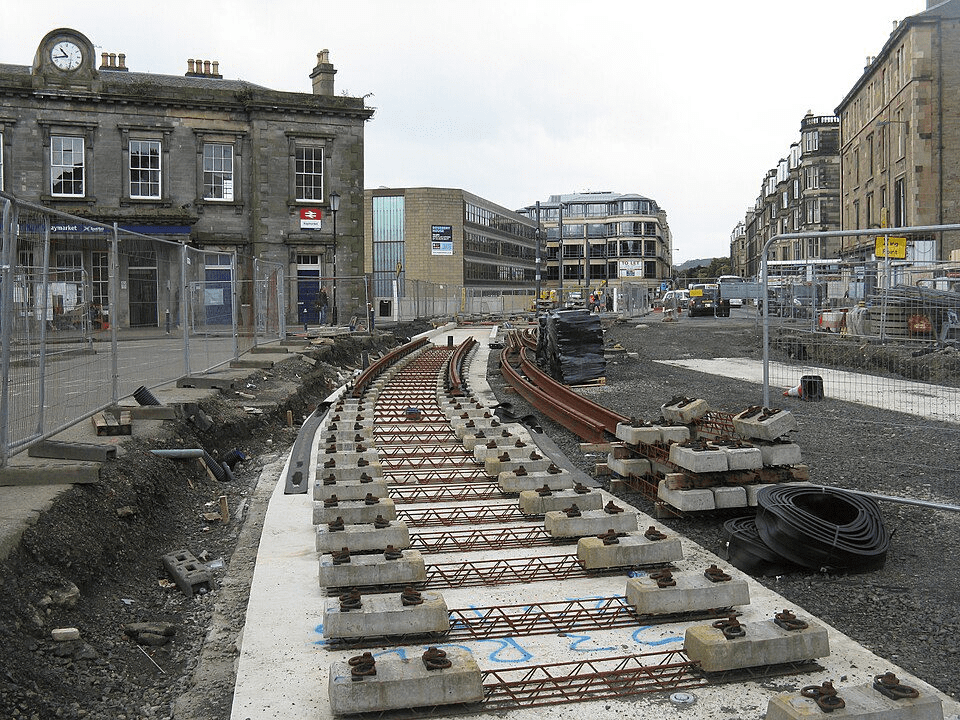
Fortunately, from late 2012 onwards, work proceeded regularly and even remained on schedule. By early summer 2013, the overhead electric wires for the central part of the city route were successfully installed. Many breathed a sigh of relief at this point, as it signalled that the finish line was in sight and a major final stage of construction had been completed.
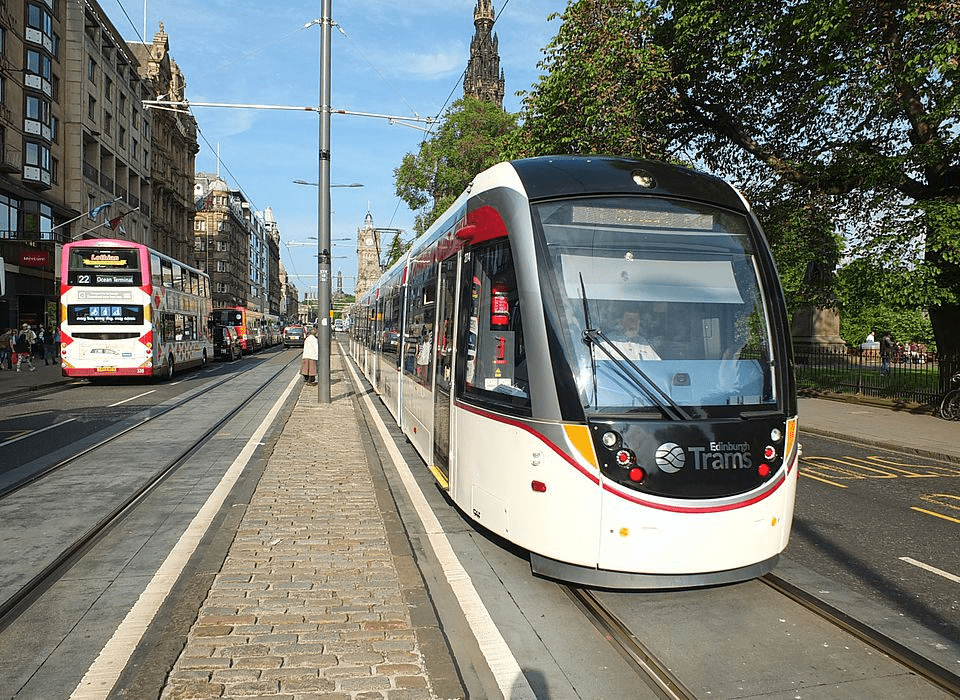
In September 2013, Edinburgh Council announced that the tram line was scheduled to open in May 2014. However, the complete works finished much earlier, well ahead of the official timetable. As a result, tram testing began in October 2013, followed by the energising of the tram wires to check the operation of the entire route.
The new Edinburgh tram line officially opened, as promised by officials, in May 2014. This event has forever cemented its place in history, as the city once again welcomed a mode of transport with a unique past and, of course, immense infrastructural significance.