

Edinburgh is rightly considered one of Scotland’s most visited cities, and not just because it’s the capital. Its rich history, stunning architecture, unique landscape, and vibrant atmosphere make it a dream destination for any cultural enthusiast. For decades, the city’s infrastructure has been a top priority, ensuring that everything functions smoothly for the comfort of both tourists and locals alike. Learn more at edinburgh-future.
A Blend of Rich History and Modernity
Edinburgh excels at developing its infrastructure to the highest standards, and Waverley Station is a prime example. Throughout its long history, the station is a testament to how modern quality can be seamlessly combined with a remarkable past.
Protests Against the Railway
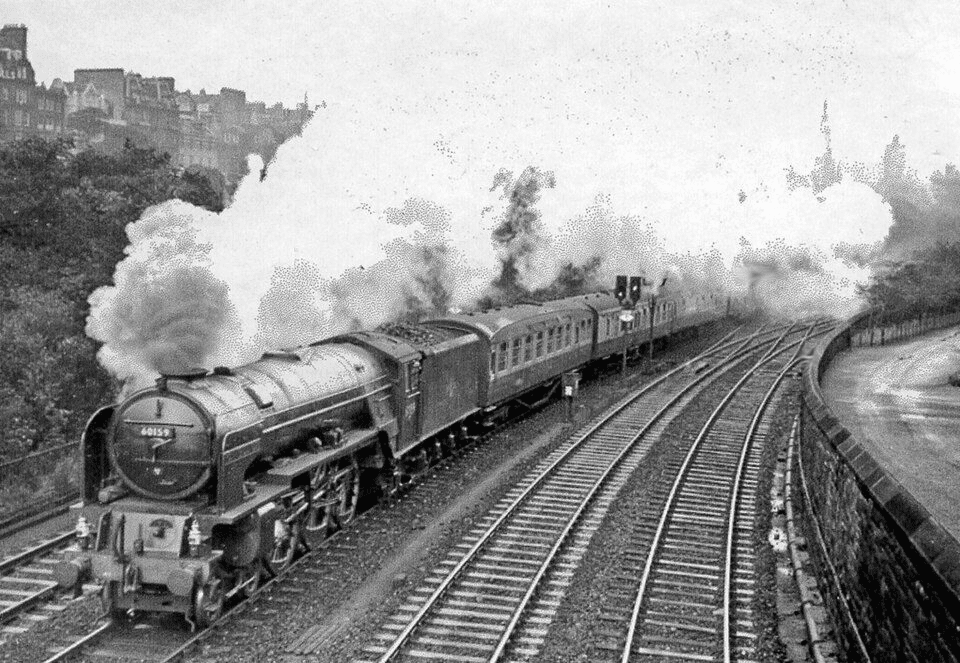
To understand Waverley’s past, we must start with its pre-history. In the mid-1830s, proposals emerged for a railway connecting Glasgow and Edinburgh. The proposed route would run through Princes Street Gardens to a station near the North Bridge, with plans assuring the public that the trains would pass almost unnoticed, preserving the area’s scenic views.
However, the Princes Street Proprietors’ Association, the very group that had fought so hard to transform the mud and marsh of the Nor’ Loch into the beautiful Princes Street Gardens, vehemently opposed the railway’s construction. As a result, when the Edinburgh and Glasgow Railway opened in 1842, its line terminated at Haymarket, well short of Princes Street.
The Opening of New Stations
This was far from the end for railway development in the city; in fact, it was just the beginning. On 22 June 1846, The North British Railway opened its North Bridge station, serving as the terminus for the line from Berwick-upon-Tweed. Then, in May 1847, The Edinburgh and Glasgow Railway opened its ‘General’ station, and at the same time, The Edinburgh, Leith and Newhaven Railway opened its Canal Street station. Interestingly, from 1854, the name “Waverley” began to be used collectively for all three stations.
A Singular Vision and a Modern Station
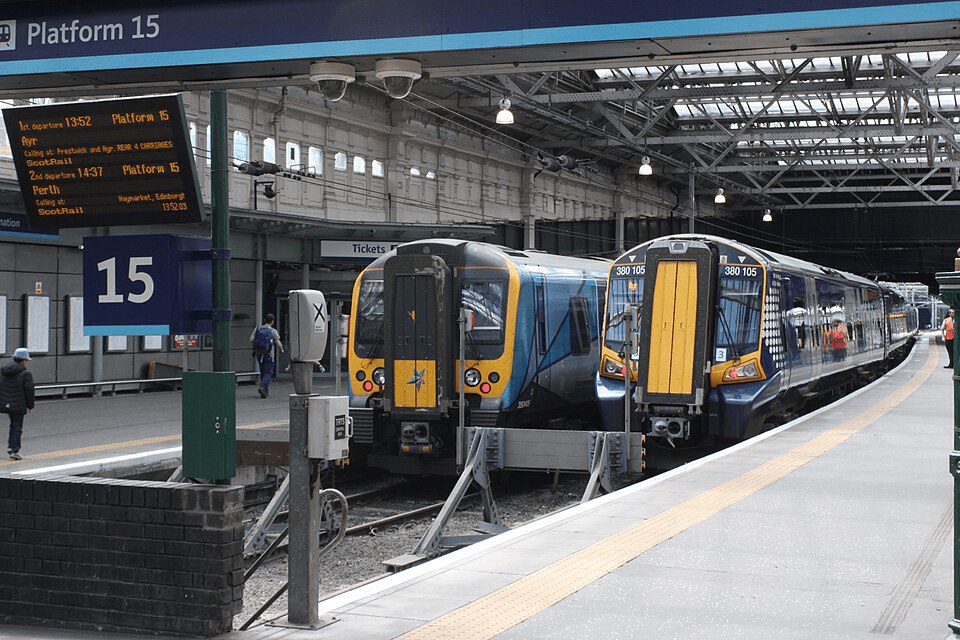
Between 1866 and 1868, The North British Railway decided to buy out its competitors. To achieve this, the company demolished all three stations and began building a new, grand Victorian station on the unified site. This new station was later expanded, most notably with the addition of a stunning glass dome in 1897. It was around this time that the Waverley name was formally and permanently adopted, continuing under the stewardship of The London and North Eastern Railway, British Railways (known as British Rail from 1965), Railtrack, and later Network Rail. Although it faced competition from Princes Street Station between 1870 and 1965, Waverley firmly established itself as Edinburgh’s principal railway hub.
The First Wave of Upgrades
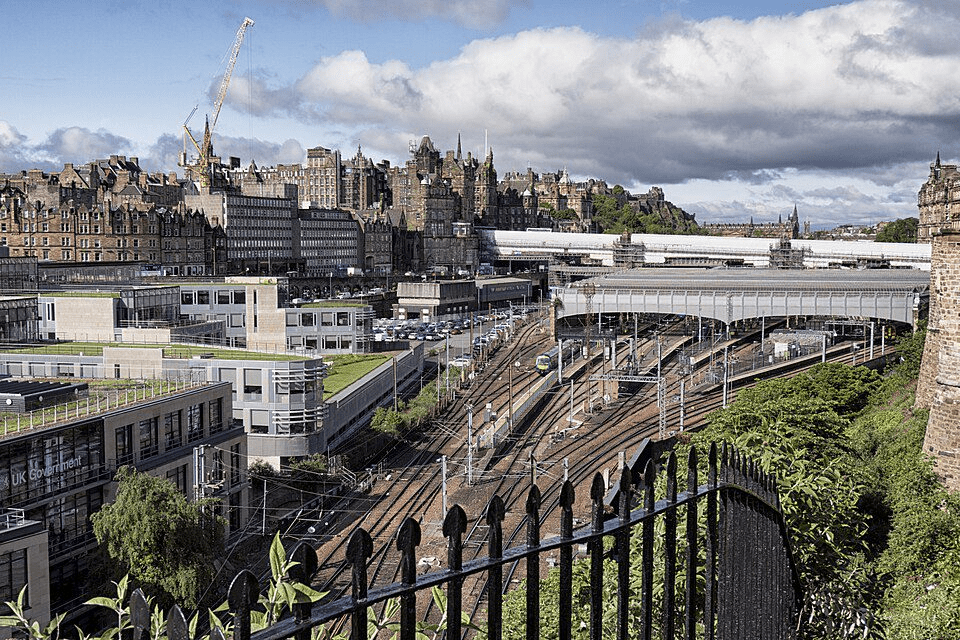
In 1991, British Rail completed a major electrification project to accommodate electric trains. This process continued in 2006 and 2007, when parts of Waverley underwent significant refurbishment. New platforms were installed to support the launch of electric services on the Airdrie-Bathgate rail link.
A New Roof
Another large-scale modernisation project took place between 2010 and 2012. This involved replacing the roof with new, reinforced transparent glass panels. It was a costly upgrade, but an investment that paid off, as it dramatically increased the amount of natural light inside the station.
Continuous Modernisation
The period from 2012 to 2014 brought another phase of improvements. These included the installation of covered escalators, an expansion of the Market Street entrance, and the restoration of the booking hall. New lifts were also added to improve passenger flow.
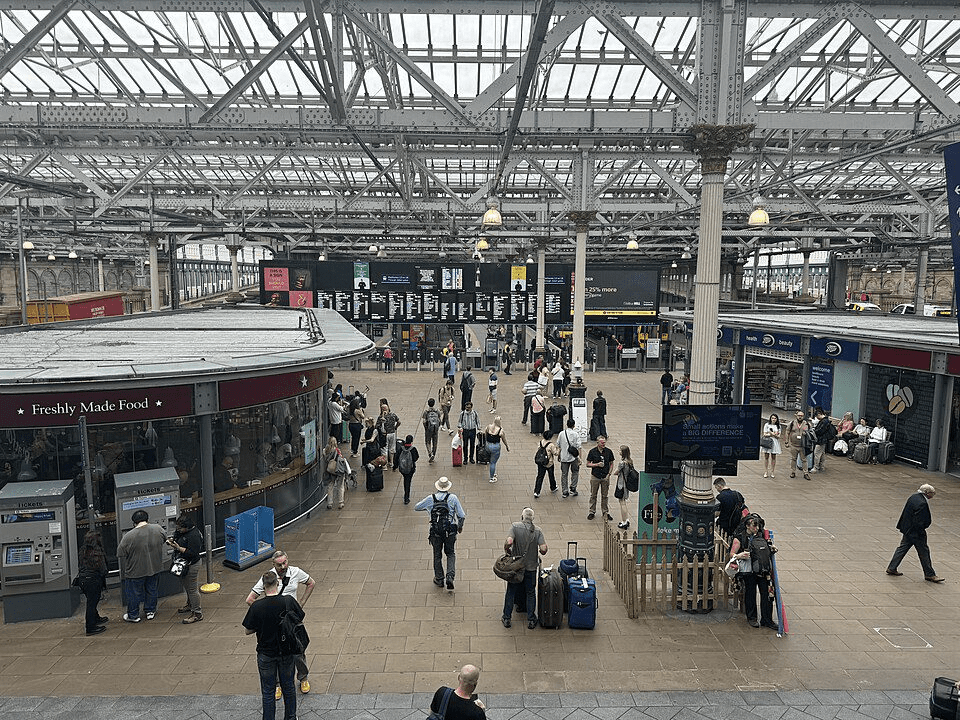
In 2017, the Edinburgh to Glasgow Improvement Programme began, which involved extending several platforms. This work was fully completed by 28 February 2019. Yet more upgrades started in 2020, focusing on creating a new corridor from the ticket office to the east concourse, along with installing new changing facilities and replacing the toilets.
Edinburgh Waverley is a vital piece of infrastructure, and its importance cannot be overstated. It is the lynchpin of the city’s railway connections. Furthermore, as its story shows, Waverley is a place of immense historical interest, a factor that gives this grand station its unique and special value.