

Edinburgh is a city celebrated for its stunning architecture, attracting countless visitors with its fascinating blend of ancient structures and modern design. Beyond its famous buildings, however, Edinburgh is also a city of bridges. While they serve the practical purpose of connecting different parts of the city, they also offer aesthetic delight to residents and visitors alike. Several bridges link the Old Town with the New, allowing you to step from one era to another in just a few paces. Each has its own unique history, often stretching back hundreds of years. Let’s take a closer look at five of Edinburgh’s most famous historic bridges. Learn more at edinburgh-future.
North Bridge
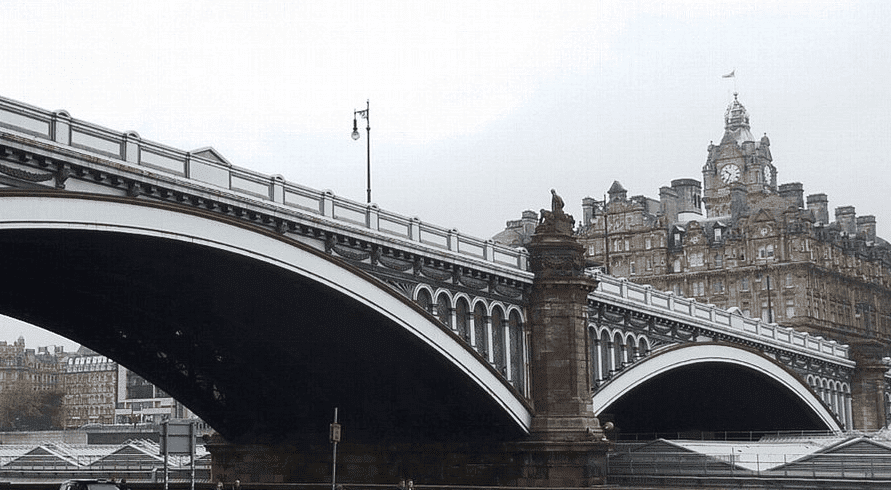
The history of the North Bridge is a tale of two structures. The original bridge, built to connect the Old Town to the fledgling New Town, tragically collapsed in 1769 before its official opening. The bridge we see today is its successor, a magnificent Victorian structure constructed between 1894 and 1897. Spanning 160 metres in length with three grand arches, it links the Royal Mile with Princes Street, standing proudly above Waverley railway station.
The North Bridge is a vital artery between the Old and New Towns, constantly bustling with vehicle and pedestrian traffic. Despite the crowds, it’s well worth taking a leisurely stroll across to admire the unforgettable views. From this vantage point, you get a stunning perspective of Calton Hill and the iconic Balmoral Hotel. Looking down, you can watch trains weaving their way out of Edinburgh’s main station, carrying passengers to destinations near and far. Locals often recommend an evening walk across the bridge, when the city is bathed in magical lights.
The Forth Bridge
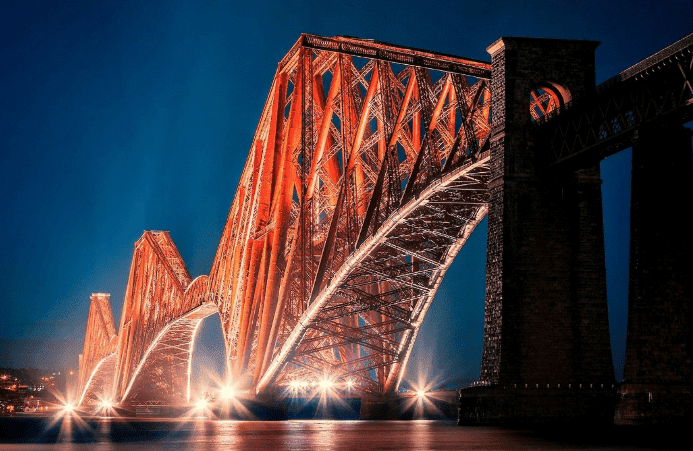
This magnificent railway bridge spans the Firth of Forth on Scotland’s east coast. Built between 1882 and 1890, it was a marvel of its time. It was one of the world’s first major cantilever bridges and, for several years, held the record for the longest span at 521 metres. With a total length of nearly 2.5 kilometres, the bridge is made entirely of steel—by some estimates, using ten times more metal than the Eiffel Tower. Today, it stands as a proud symbol of Scotland, connecting Edinburgh to the region of Fife.
In British culture, the phrase “like painting the Forth Bridge” is an idiom for a never-ending task. It originated because the enormous structure required constant repainting; by the time the painters finished one side, the other was already starting to rust. This Sisyphean task continued for over 120 years until a new, advanced paint was developed in the 2010s, designed to last for at least 25 years.
Thanks to its unique design and pioneering construction methods, the Forth Bridge became a national icon. In 2015, it was designated a UNESCO World Heritage Site. It remains economically vital, carrying around 200 trains every day.
Forth Road Bridge
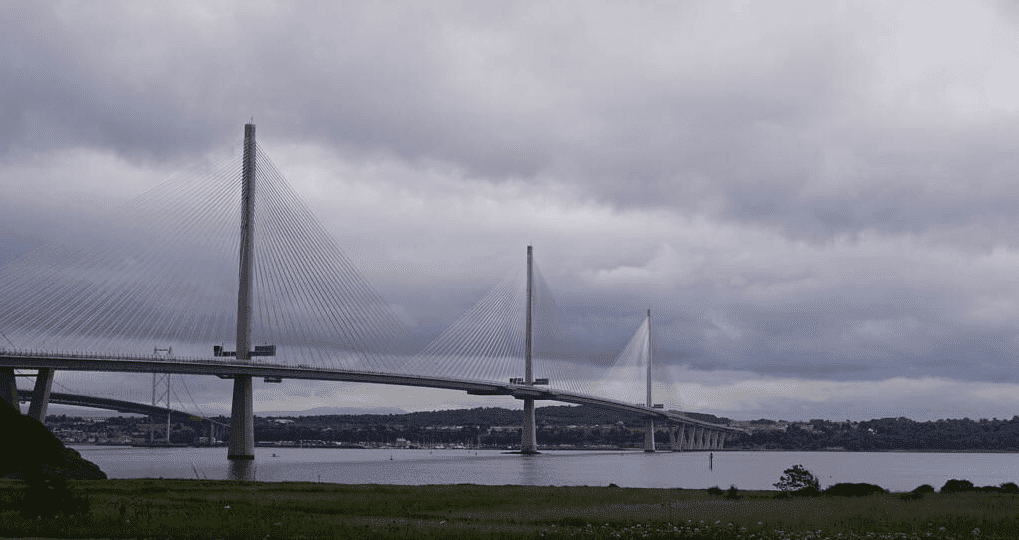
Built alongside its famous railway counterpart, the Forth Road Bridge is a grand suspension bridge that opened to traffic in 1964. The opening ceremony was conducted by Queen Elizabeth II and the Duke of Edinburgh. For a time, it was the longest steel suspension bridge in Europe. Like its neighbour, it connects Edinburgh with Fife and serves as a strategically important road link.
The bridge’s elegant, lattice-like structure often impresses drivers crossing it for the first time, while the views it offers are captivating. In fact, small barriers were installed along the edges because drivers were frequently distracted by the beautiful scenery! On 11 February 2008, drivers received a pleasant surprise: the bridge became toll-free and has remained so ever since.
Since autumn 2017, most traffic has been redirected to the new Queensferry Crossing. A year later, the Forth Road Bridge reopened but now serves primarily as a ‘public transport corridor’ for buses and taxis, as well as for cyclists and pedestrians. This allows motorists on the new crossing to admire the beautiful suspension bridge from a distance.
George IV Bridge
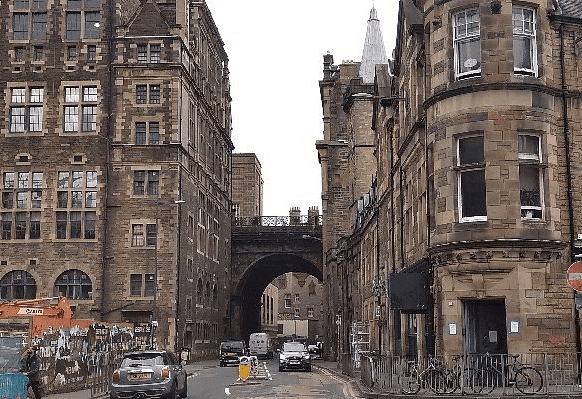
More of a raised street than a traditional bridge, this structure sits in the heart of the city. It connects the Old Town’s Royal Mile with the South Side district, with connecting streets also leading down into the New Town. Designed by architect Thomas Hamilton and constructed between 1827 and 1836, the 275-metre-long crossing quickly became a popular route for moving between different parts of the city.
Today, the bridge is a bustling thoroughfare lined with restaurants, pubs, and small shops. It is also home to major cultural institutions like the National Museum of Scotland and the National Library of Scotland. At its southern end, a delightful surprise awaits tourists at the intersection with Candlemaker Row: the iconic and much-loved statue of Greyfriars Bobby.
A significant advantage of George IV Bridge is its accessibility, offering a smooth, level path that allows wheelchair users to navigate the area and visit nearby establishments with ease.
Almond Valley Viaduct
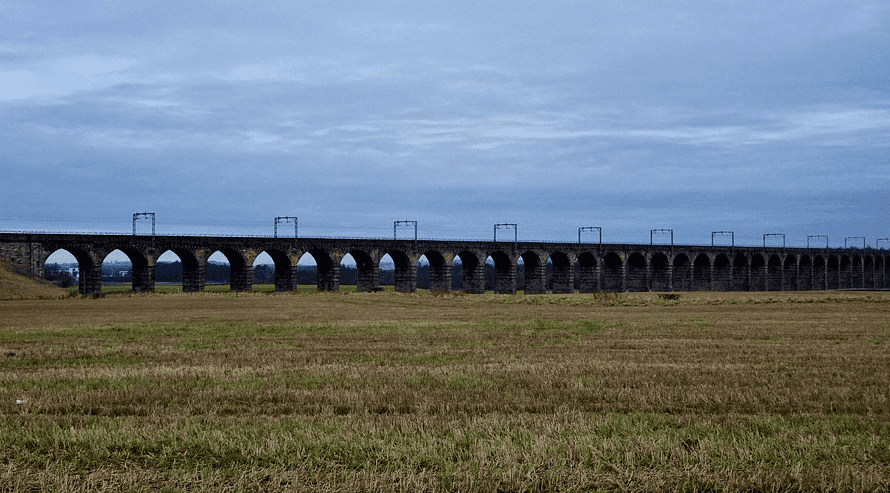
This is the longest railway viaduct in Scotland. This engineering masterpiece was built in 1842 to a design by John Miller and John Gibb. Rightly called a feat of Victorian engineering, it features 36 graceful arches yet is strong enough to withstand immense loads. Its history of over 180 years is a testament to its durability, as it continues to carry heavy freight trains today.
The viaduct was originally built to create a high-speed rail link between Edinburgh and Glasgow. That goal was achieved then, and today’s modern high-speed trains have made the connection between the two cities feel almost instantaneous.
To truly admire the viaduct’s structure, it’s best viewed from a distance. Locals recommend the view from the A89 just before the turn-off for Kirkliston, where you can see most of the arches and capture a memorable photo. For walkers, a path runs along the base of the viaduct, offering a chance to appreciate its scale up close.
Edinburgh’s bridges seem designed to make travellers fall in love with this beautiful city. Whichever bridge you find yourself on, you are guaranteed a unique landscape and stunning views. The city is one thing by day, but in the evening, it transforms into something from an old fairy tale. The main piece of advice from Edinburgh’s residents to anyone visiting their wonderful city is to take your time and savour every moment.