

Bridges are a vital part of any city’s architecture. They are essential for ensuring that people and vehicles can move around efficiently and comfortably, making them a cornerstone of urban infrastructure. Learn more at edinburgh-future.
However, it is crucial to monitor their condition and safety meticulously. As practice shows, many of our city bridges have a long history, and like any structure, they are prone to wear and tear over time.
The Queensferry Crossing is a prime example. This renowned road bridge in Edinburgh stands alongside its equally famous neighbours, the Forth Bridge and the Forth Road Bridge. The story of its creation is filled with fascinating details, but it began with the urgent need to replace an ageing predecessor.
A Long History of Crossing the Forth
The story of crossing the Firth of Forth dates back to the 11th century, when Queen Margaret established a free ferry service for pilgrims. Much later, the Forth Road Bridge was built near the site of the old ferry route, opening to traffic in 1964.
A Controversial Proposal
By the early 1990s, proposals for an additional road crossing at Queensferry began to surface. These plans were met with fierce opposition from environmental campaigners and the City of Edinburgh Council, who argued that a new bridge would lead to a massive increase in traffic. When the Labour Party won the 1997 general election, the proposals were shelved entirely.
A Bridge Under Strain
The Forth Road Bridge was originally designed with a lifespan of 120 years. However, by the early 2000s, it was already exceeding its planned capacity. It was built to handle around eleven million vehicles per year, but by 2006, that number had surged to an incredible twenty-three million.
Structural Concerns Emerge
Inspections in 2003 delivered worrying news: the bridge had lost approximately 10% of its strength in the main suspension cables due to corrosion. This discovery forced authorities to impose restrictions on heavy goods vehicles. After further studies between 2006 and 2007 returned disappointing results, the decision was made to build a replacement.
Construction and Tragedy
Preparatory work for the new bridge began in the autumn of 2011. The bridge deck itself was manufactured in sections by specialists in China and Spain and delivered to the site in 2013.
Tragically, on 28th April 2016, construction was halted when a crane accident resulted in the death of one worker and the injury of another. All work was stopped to allow for a full investigation into the incident.
Plagued by Delays
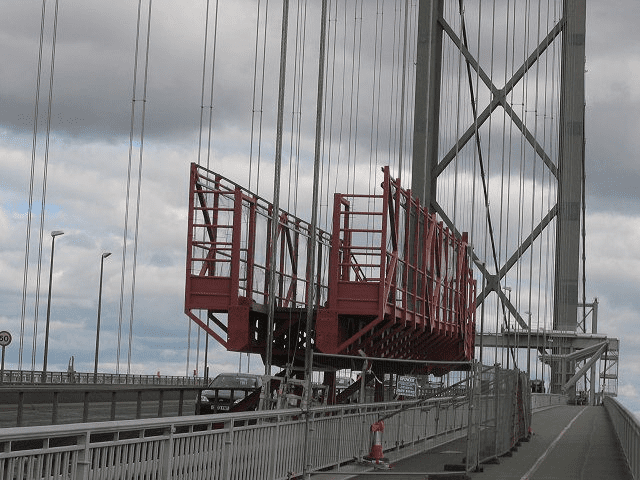
The bridge was originally scheduled for completion by the winter of 2016. However, this deadline was pushed back to the spring of 2017. The primary cause for the delay was the weather; persistent high winds frequently made it unsafe to continue work.
In March 2017, another delay was announced, with the weather once again being the culprit.
After a long and challenging construction, the bridge finally opened to traffic on 30th August 2017. The official opening ceremony, attended by Her Majesty the Queen, took place a few days later on 4th September 2017.