

The National Museum of Scotland as we know it today was officially formed in 2006. It was created through the merger of two distinct institutions: the new Museum of Scotland, which housed Scottish antiquities and cultural history, and the adjacent Royal Scottish Museum. The latter had a history stretching back to 1866, when it was first known as the Edinburgh Museum of Science and Art. Learn more at edinburgh-future.
The University Origins
It all began in 1697, when Sir Robert Sibbald gifted his large natural history collection to the Medical College at the University of Edinburgh. This collection was displayed within the university, forming one of the oldest museums in the UK. In 1767, the museum came under the care of Robert Ramsay, the first Regius Professor of Natural History. In 1804, the position passed to mineralogist Robert Jameson. He was instrumental in transforming the museum from a private university department into a more public, state-affiliated institution, which led to it being named the Royal University Museum in 1812. The collection was also greatly enriched by travellers who brought back fascinating items from their expeditions.
A New Building and a Famous Student
Later, the university administration and Edinburgh’s town council initiated plans for a new, purpose-built museum, with construction completed in 1820. The task of arranging the exhibits fell to taxidermist John Edmonstone. In 1826, he famously taught a young Charles Darwin, who was fortunate enough to gain practical experience within the museum’s walls.
The Birth of a National Institution
In 1852, Robert Jameson proposed transferring the natural history collection to a new National Museum located next to the university. This was realised in 1854. In 1864, the institution was named the Edinburgh Museum of Science and Art, operating with two main departments: Natural History and Industrial Art. The university formally transferred its natural history collection to the museum between 1865 and 1866. The ‘industrial’ exhibits featured technology from both military and civilian life, including models of lighthouses, while another hall was dedicated to manufacturing.
Mergers and Modernisation
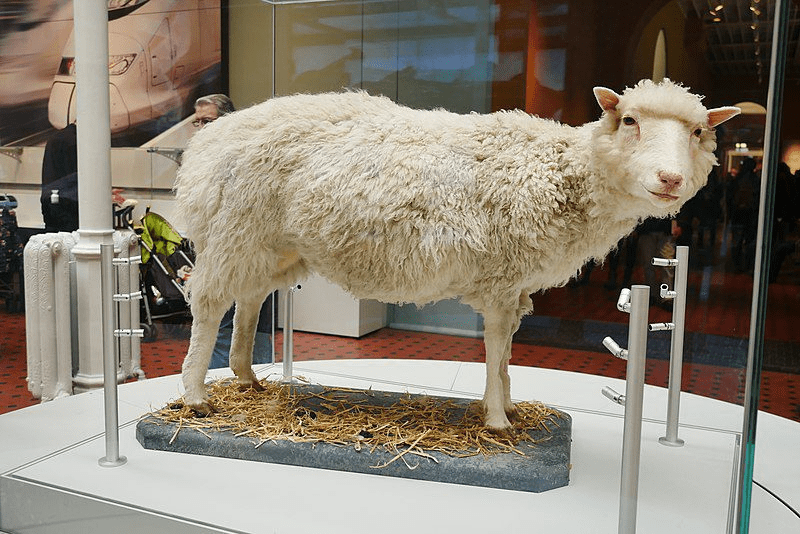
The institution was renamed again in 1985, becoming the Royal Museum of Scotland. Its administration was placed under the newly created ‘National Museums of Scotland’ organisation. This new body also incorporated the Museum of Antiquities, which had its roots in the Society of Antiquaries of Scotland (founded 1780). Although the National Museum of Antiquities and the Royal Museum of Scotland were administratively merged in 1985, their collections remained in separate buildings. This changed in 1998 when the Museum of Antiquities was moved into a new, purpose-built extension to the Royal Museum building, finally bringing the two collections together physically.
The final step came in 2006, when the two museums officially united as one entity: the National Museum of Scotland was born.