

While strolling through Edinburgh and soaking up its medieval atmosphere, you can stumble upon works of contemporary art in the most unexpected places. And not in a gallery or at an exhibition, but right there on the side of a building. These monumental paintings are known as murals. They are a key part of Edinburgh’s street art scene, making the urban landscape more vibrant and colourful. Some have become world-famous, serving as popular backdrops for photos, and the artists who have decorated the capital’s streets are now renowned in many countries. So, when did murals first appear in Edinburgh, and which ones have captured the hearts of locals and tourists alike? Learn more at edinburgh-future.
The First Murals in the City
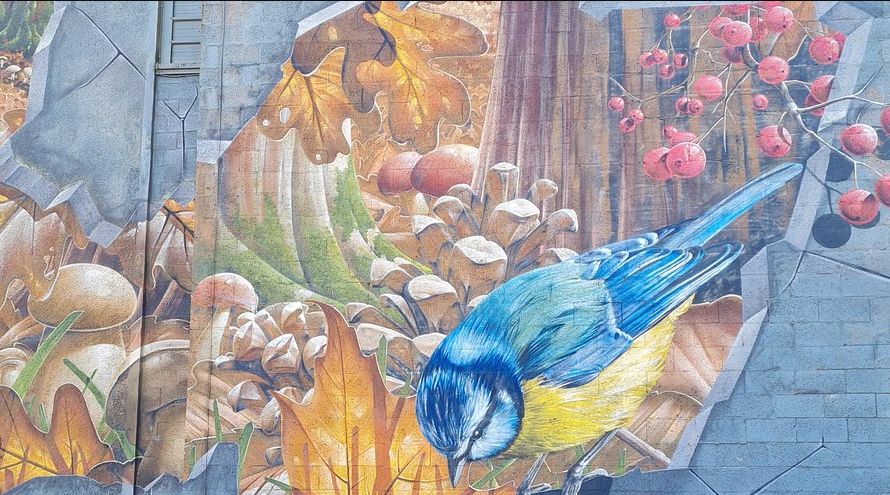
Murals blend traditional frescoes with contemporary street art. In past centuries, like in many major cities, frescoes in Edinburgh typically adorned the interiors of religious buildings. Street art, or graffiti, emerged in the second half of the 20th century, when artists began covering walls, fences, and even train carriages with spray paint. For decades, the local authorities fought a losing battle against this form of urban expression. To some extent, wall painting as a distinct form of public art offered a solution. In Edinburgh, a campaign was launched to promote murals. This initiative was highly successful. It not only significantly reduced the amount of unwanted graffiti but also provided young artists with vast opportunities for creative expression.
As a result, the first officially sanctioned murals began appearing in Edinburgh in the mid-1980s, adding splashes of colour and creativity to the city. Among the many diverse themes, the most popular in Edinburgh include: Social: works that highlight pressing issues in modern society, evoking empathy. Philosophical: a medium for artists to express creative ideas, often triggering strong emotions. Aesthetic: pieces ideal for enhancing the visual appeal of urban spaces, typically with a neutral emotional tone.
Fan Favourites
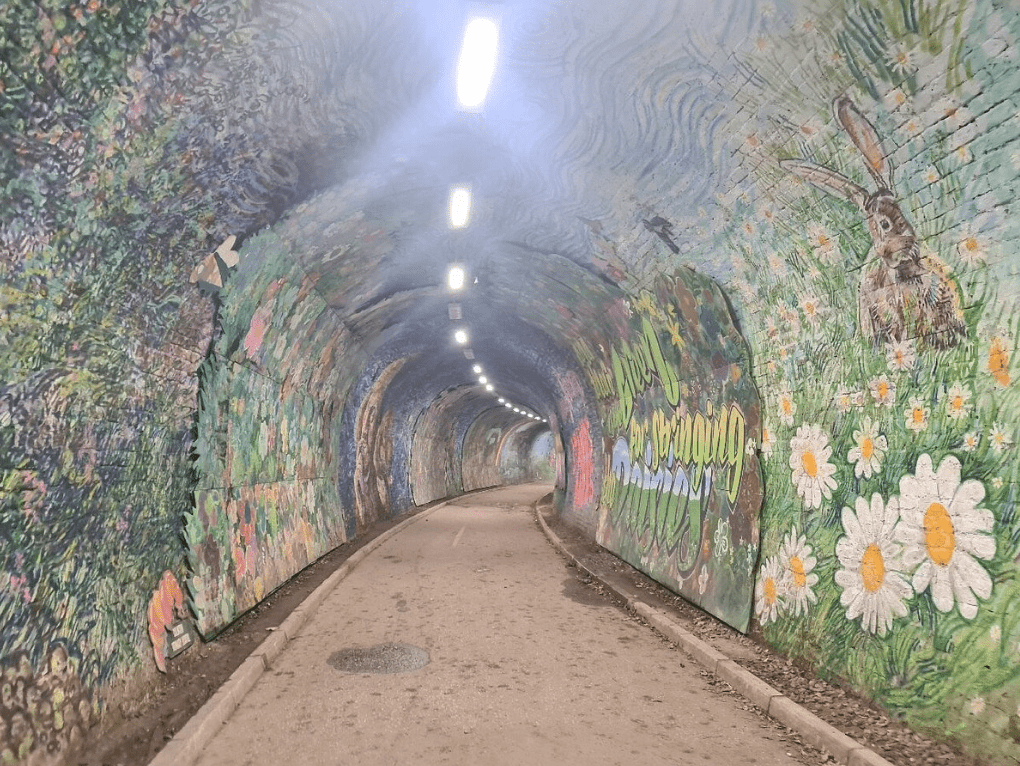
Chris Rutterford is rightly considered one of Scotland’s most famous muralists. Many of Edinburgh’s most prominent murals are his creations. Over the last decade, Rutterford has produced a series of stunning, high-quality murals with Scottish themes in various parts of the city. The artist’s vibrant work has breathed new life into the capital’s neighbourhoods and venues.
Rutterford’s Colinton Tunnel project in Edinburgh immediately became a favourite spot for locals and tourists. A semi-derelict railway tunnel on the outskirts of Edinburgh has been transformed into the largest mural in Scotland. Its 140-metre length features colourful illustrations from a poem by Robert Louis Stevenson. This masterpiece has become one of the newest landmarks on Edinburgh’s map.
A walk through the areas of Leith and The Meadows is an aesthetic delight, revealing numerous frescoes and murals that showcase the creativity of local artists. These areas are hugely popular, giving visitors the feeling of being in an endless open-air art gallery.
The war in Ukraine inspired artists to create a mural that appeared in Leith in 2022. Titled ‘A Nightingale Holding a Flag of Peace’, it depicts the flag of Ukraine with a nightingale, Ukraine’s national bird, holding a banner with a peace symbol in its beak. This powerful work captures the attention of both Edinburgh residents and the many tourists who visit.
In 2024, another piece was added to Edinburgh’s collection of beautiful murals: a fresco titled ‘Edinburgh – There’s No Place Like Home’. World-renowned artist Mauricio Ramirez brought the city’s Gateway Building to life, depicting episodes from Edinburgh’s history in his mural.
Edinburgh’s murals are incredible splashes of modernity amid the authenticity of the ancient city. Seeing them with your own eyes and creating unforgettable memories is yet another compelling reason to visit Edinburgh.